
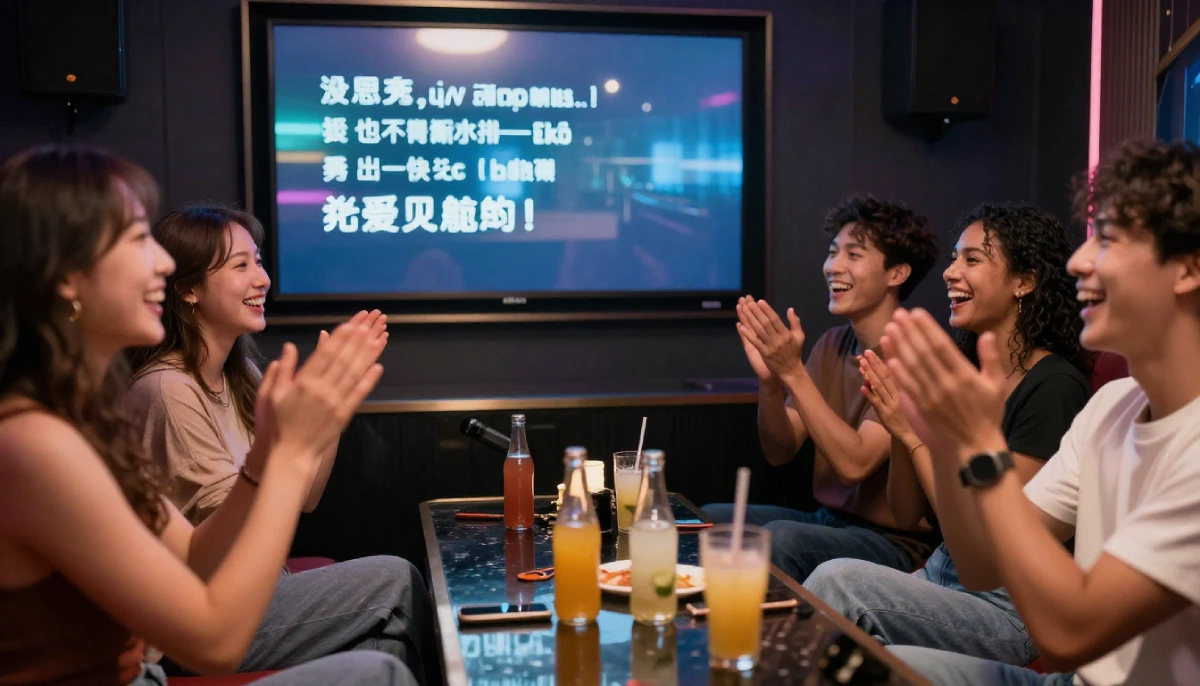
We’ve all had both types of nights out. The one where you check your phone three times to try and gauge when it’s appropriate to leave, and the one where you suddenly realize the bar is closing because everyone was having so much fun, nobody even noticed the time. But nights like this don’t happen by coincidence or solely by who attends (though that’s obviously part of it).
They happen because of several different things that differentiate the nights people forget about by Tuesday and the ones that become stories your group tells for years.
When Everyone Actually Gets Involved
There’s a reason a standard bar night suffices for many groups, and also why it sometimes creates this weird divide where half the people are just watching. You see it all the time. A few friends have a conversation, and the rest just sit on their drinks and nod along. No one is doing anything wrong, but the energy doesn’t really go anywhere because there’s no collaborative effort bringing everyone in.
But the nights that feel special are the ones where everyone is doing something. When your group books a karaoke room hire, everyone suddenly has a job. You’re picking the next song. You’re pumping up whoever is currently on stage. You’re the one surprising everyone with your hidden talent. That shy friend who typically sits quietly now is belting Whitney Houston and getting applause. This doesn’t happen when everyone just sits around a table trying to make conversation happen.
When you’re doing something with active entertainment, you have built-in talking points. You aren’t struggling to figure out what to say or how to manufacture the fun. The fun is already created for you.
The Atmosphere Matters More Than You’d Think
Some places just feel good when you walk in. The lighting works. You can hear each other without shouting. There’s enough space that you’re not cramped, but small enough that your group isn’t lost in a crowd. All these things seem minute, but they add up quickly.
The best places understand that atmosphere isn’t reliant upon being the coolest or most expensive venue in town. It’s based on making people comfortable enough to let their guards down. Private or semi-private rooms go a long way here. When people don’t have to worry about strangers judging their karaoke song or eavesdropping on their conversations, they relax with much greater speed. The relaxing state is the one where actual fun happens.
Not Everyone Comes With the Same Energy
Some people walk into places like a ball of energy, ready to go from minute one. Other people need time to warm up. The truly best group outings work for both types instead of forcing everyone to conform to the same gear immediately.
That’s where single-vibe venues fail. A loud club is great if you’re already at maximum capacity, but overwhelming if you need a slower boost up. A quiet wine bar works perfectly for low-key chit chat, but feels dead if people want to celebrate. The best compromise is something that lets people get in at their own pace while still being part of the same experience.
This is why interactivity works so well, too. People can take a backseat and jump in when they’re ready or take a breather when necessary without compromising everything else. No one needs to keep up energy for four straight hours, which, for most people, is exhausting anyway.
Getting The Right Structure
The best nights out generally have structure but not too much structure. They give enough of a direction so no one is standing there saying, “So, what should we do now?” but also enough leeway that it’s not aimless and wandering in hopes that something gets fun.
It’s far better to start with something that engages people early than meeting at the bar and crossing your fingers that positive momentum develops on its own. If you can laugh and get comfortable within an hour, then you’ve beaten that initial awkwardness that’s compounded in too many evenings unnecessarily.
The Nights That Become Stories
Think about nights out you actually remember several months down the line. They’re rarely “we went to that bar and had some drinks.” They’re always “remember when someone tried to sing Bohemian Rhapsody even though they clearly shouldn’t have?” or “remember when we found out the quietest person in the group is secretly an amazing singer?” or “remember when the power cut out halfway through a performance and everyone just kept singing in the dark?” These are the moments that stick.
You can’t force these moments, but you can choose venues more likely to make them happen. Places that encourage people to take a risk outside of their comfort zone (in a positive way, not pressure) tend to breed these stories organically. This isn’t about perfection. More often than not, it’s from little disasters and unintended turns.
Matching Your Group’s Needs
Not all friend groups are created equal. Work colleagues might need something that helps everyone drop their professional act without getting too personal, long-standing friends might want something that plays into inside jokes and shared experiences. And new mixed groups appreciate activities to figure each other out instead of spending two hours on small talk that leads nowhere.
It’s important to take what’s presented and align it with specific needs for that night. A birthday outing requires different energy than a typical Friday night hangout. A team-building event needs something different from a bachelor party. When this match is made, everything else tends to fall into place without effort.
The nights people rave about later seldom happen spontaneously by accident. They become memorable because of venues and activities intentionally decided upon that get everyone involved, create an effective atmosphere, and give people space to be themselves. Sometimes that means foregoing the typical bar experience and trying something where your group is actually engaging with one another as opposed to attempting to share space for three hours.
