
You open the bag to bake cookies and find a brick instead of soft sugar. If you need to know how to soften brown sugar fast, the fix takes minutes. Below are six tested ways to bring it back, with storage that stops the next brick.
Hard brown sugar still bakes well once you return its moisture. You need no special tools, and most fixes use things already in your kitchen. It is a small rescue skill for everyday home cooking, and it keeps a kitchen calm.
The Short Version
How to soften brown sugar in short? Heat is fastest. Patience is gentlest, and a sealed jar stops the next brick. Pick the method that fits your clock, then store the bag right.
Why Brown Sugar Turns Into a Brick
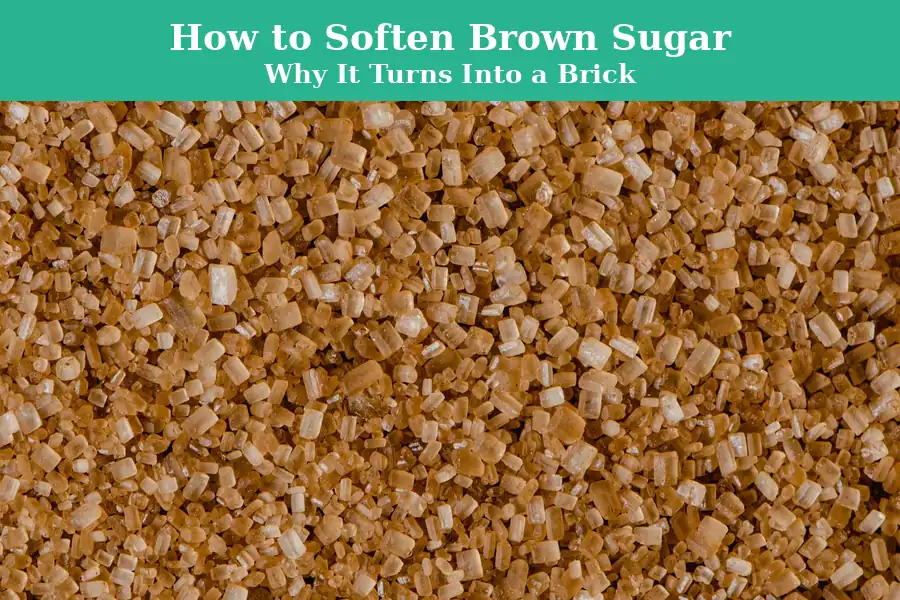
Brown sugar turns hard when the moisture in its molasses dries out in air. Each crystal wears a thin coat of molasses, and that coat holds the water. Once the water leaves, the coat thickens and cements the crystals into a solid lump.
Brown sugar is white sugar mixed with molasses, which gives it colour and flavour. Light brown sugar holds about 3.5 percent molasses, while dark holds about 6.5 percent. Dark sugar hardens faster, so it needs the same care a little sooner.
That is why any guide to how to soften brown sugar starts with moisture. Hard sugar is not spoiled, and Domino Sugar says it keeps indefinitely if it stays dry. For the best flavour, use it within six months of purchase. Toss it only if you spot mould, insects or a sour smell.
How to Soften Brown Sugar in the Microwave
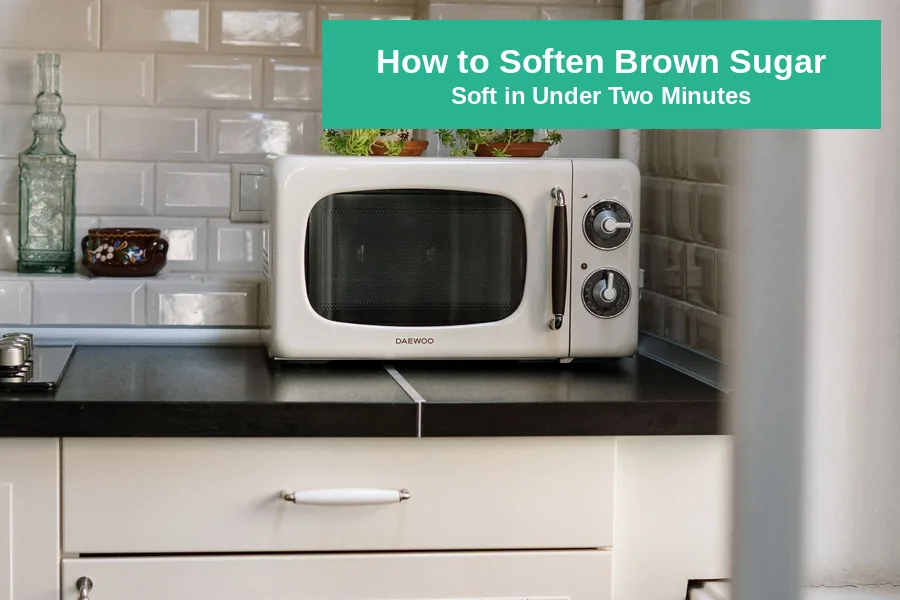
The microwave is the fastest fix, and it softens a small batch in under two minutes. Heat drives steam back into dry crystals, so short bursts beat one long blast. Use this method when the recipe is already half mixed and the clock is short.
- Put about 225g of hard sugar in a microwave-safe bowl.
- Break up big chunks by hand so steam can reach more of the sugar.
- Lay a damp paper towel over the bowl, then heat for 15 seconds.
- Fluff the sugar with a fork after each burst, and repeat until it loosens.
- Measure what you need at once, since the sugar firms up again as it cools.
Domino Sugar lists the same short-burst method, and it warns that hot sugar burns. Microwave only the amount you need, because a reheated batch hardens fast once it cools. If the edges turn glossy, stop at once, since glossy spots are close to melting.
How to Soften Brown Sugar in the Oven

The oven suits a full bag, since gentle heat reaches every lump at once. It takes five to ten minutes at 120 degrees Celsius, which is 250 degrees Fahrenheit. Pick this route when the microwave bowl feels too small for the job.
- Heat the oven to 120 degrees Celsius and spread the sugar in a shallow, oven-safe dish.
- Warm it for five minutes, then stir the lumps with a fork.
- Repeat in short checks until the sugar turns soft and scoopable.
- Measure your portion right away, since oven-warmed sugar is very hot.
Watch the edges, since melted sugar sets into a hard sheet as it cools. Pull the dish out the moment the sugar yields to the fork. Use oven gloves, and keep children clear while the dish is hot.
Slow Fixes That Work While You Wait
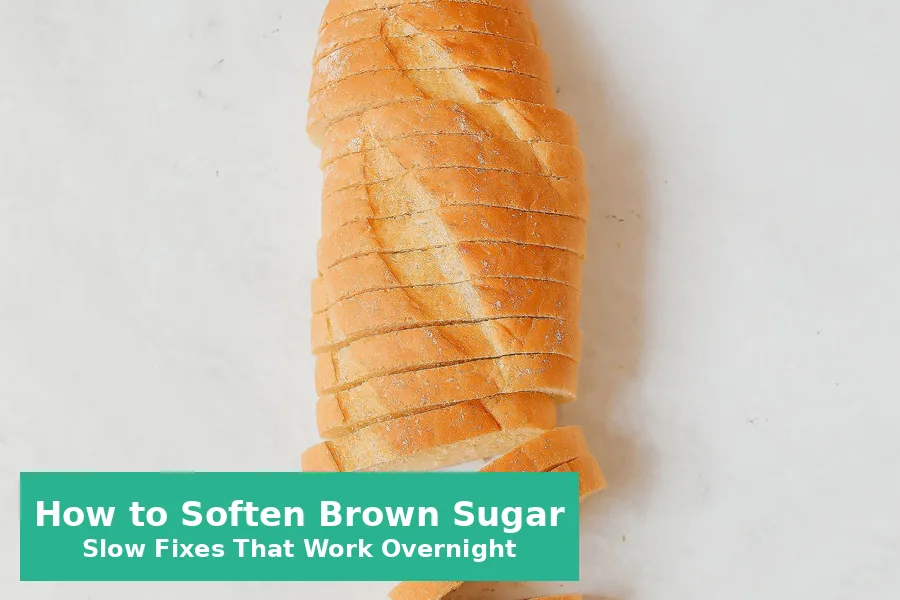
Overnight methods show how to soften brown sugar with no heat at all. They suit a calm evening, when the bake can wait until tomorrow. Each one feeds a little moisture back into the crystals over hours.
- Bread slice: tuck one fresh slice into a sealed tub with the sugar. Check it after a day, then lift the bread out.
- Apple slices: add a few slices on foil, seal the tub, and wait. The sugar softens in a day or two, so check it daily.
- Marshmallow: drop one or two in the tub, since they give off moisture slowly.
- Clay disk: soak a terra-cotta disk, pat it dry, then bury it in the sugar. Soak it for 15 to 20 minutes first, and re-soak it every few months.
Take the bread or fruit out as soon as the sugar feels soft. Food left in too long can pass its smell to the sugar. Damp fruit can also grow mould, so never leave slices in for a week. The clay disk avoids both risks, which is why bakers keep one in the jar.
Which Method Should You Pick?

If you still wonder how to soften brown sugar tonight, match the method to your clock. Speed suits the microwave, a big batch suits the oven, and waiting suits the tub. The table below puts time, best use and the catch for each method side by side.
| Method | Time | Best for | Watch out |
|---|---|---|---|
| Microwave | 1 to 2 minutes | A small batch, right now | Sugar firms up fast as it cools |
| Oven | 5 to 10 minutes | A full bag at once | Edges can melt if you wait too long |
| Clay disk | 1 to 24 hours | Even softening, long storage | Soak it first, and re-soak it later |
| Bread slice | 8 to 24 hours | A hands-off overnight fix | Take it out, or it may smell |
| Apple slices | 2 to 24 hours | A quick overnight fix | Fruit can add a faint smell |
| Marshmallow | 8 to 24 hours | A simple tub trick | Replace it when it dries out |
My pick for tonight is the microwave, with the fork ready and the recipe close by. For the jar, I keep a clay disk, since it works for weeks with no fuss. Either way, soften only what you need, and seal the rest at once.
Keep It Soft: Storage That Stops the Next Brick
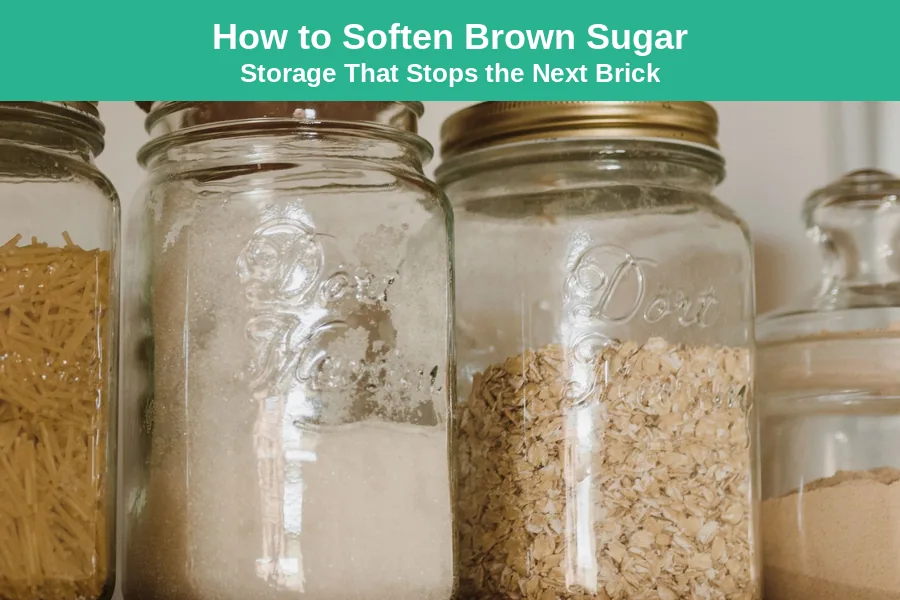
Softening fixes the bag once, but storage decides if it hardens again. Air is the cause, so the cure is a seal that keeps air out. A few small habits do the job, and none of them cost much.
- Move the sugar into an airtight jar as soon as you open the bag.
- Pick a jar that fits, since a half-empty jar holds more air.
- Keep the jar in a cool, dry cupboard, away from the stove and the sink.
- Skip the fridge, since cold air brings damp that clumps the sugar.
- For long storage, freeze the sugar in a sealed bag, then thaw it sealed.
The same airtight habit behind keeping fresh herbs at their best works here too. Dark sugar dries out faster than light sugar, so give its jar your best seal. Buy small bags if you bake rarely, since fresh sugar beats a rescued brick.
Brown Sugar Questions, Answered

Is hard brown sugar still safe to use?
Yes, hard brown sugar is safe when it smells sweet and shows no mould. Hardening is a texture change from lost moisture, not a sign of germs. Soften it by any method above, then use it as you would fresh sugar.
How do you soften brown sugar quickly?
The microwave is quickest, with short bursts and a damp paper towel. Heat for 15 seconds, fluff with a fork, then repeat until the sugar loosens. Measure it at once, since it firms up again as it cools.
Does brown sugar go bad?
No, brown sugar does not go bad in a food safety sense when it stays dry. Domino Sugar says its shelf life is indefinite, with the best flavour inside six months. Throw it away only for mould, insects or a sour smell.
Can you soften brown sugar without a microwave?
Yes, the oven warms a full bag in five to ten minutes at 120 degrees Celsius. A sealed tub with bread, apple or a clay disk also works overnight. Pick the route that fits your time, and check the sugar as it softens.
How do you make brown sugar at home?
Stir one tablespoon of molasses into 200g of white sugar for light brown sugar. Use two tablespoons for dark brown sugar, and mix until the colour turns even. It works in most recipes that call for brown sugar.
Bake Tonight, Not Next Week
Six ways to soften brown sugar now sit in your kitchen toolkit for the next bake. Pick the one that fits tonight, soften only what you need, and seal the rest. Good kitchen habits stack up, from sealed jars to the safe disposal of used cooking oil. Open the bag, fix the brick, and bake the cookies tonight, while the oven is warm.
