
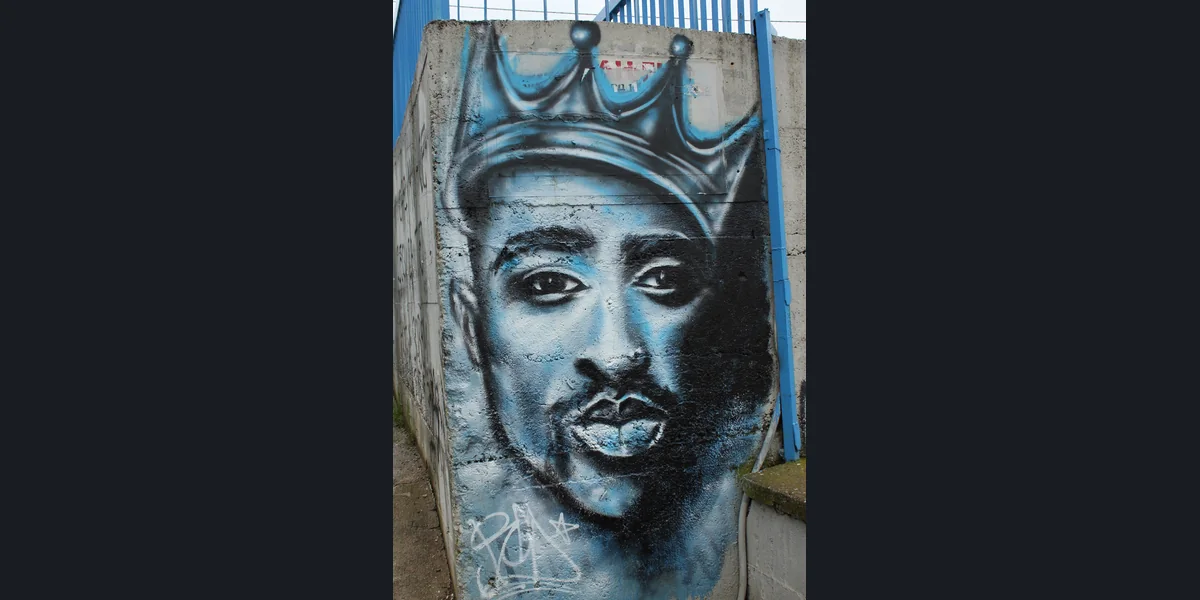
Tupac net worth was about $200,000 when he died in 1996. He was one of the biggest selling rappers alive then. Yet debts to his own record label swallowed his earnings. His estate later grew into tens of millions instead.
Key Takeaways
- Tupac died in 1996 with about $200,000 to his name.
- Reports put his Death Row debts near $4.9 million.
- His albums sold over 75 million copies worldwide.
- His mother, Afeni, rebuilt his finances after his death.
- The estate has generated over $40 million since 1996.
- Ownership, not fame, decides who keeps music money.
Tupac Net Worth: The Short Answer
Most trackers put his 1996 fortune near $200,000. Celebrity Net Worth uses that figure for his death year. Some reports stretch the range up to $500,000. Either way, it was tiny for his fame level.
His Celebrity Net Worth profile tracks both sides of the story. It records the small sum he held at death. It also follows the estate that grew afterwards. Few celebrity ledgers split so sharply in two.
Today his estate is valued in the tens of millions. Published estimates commonly run from $40 million upwards. Some go as high as $100 million, depending on method. The gap itself shows how hard estates are to price.
| Detail | Fact |
|---|---|
| Born | Tupac Amaru Shakur, 16 June 1971, New York |
| Died | 13 September 1996, Las Vegas, aged 25 |
| Worth at death | About $200,000 (Celebrity Net Worth) |
| Reported debts | Near $4.9 million owed to Death Row |
| Estate today | Estimated $40 million and above |
Who Was Tupac Shakur?
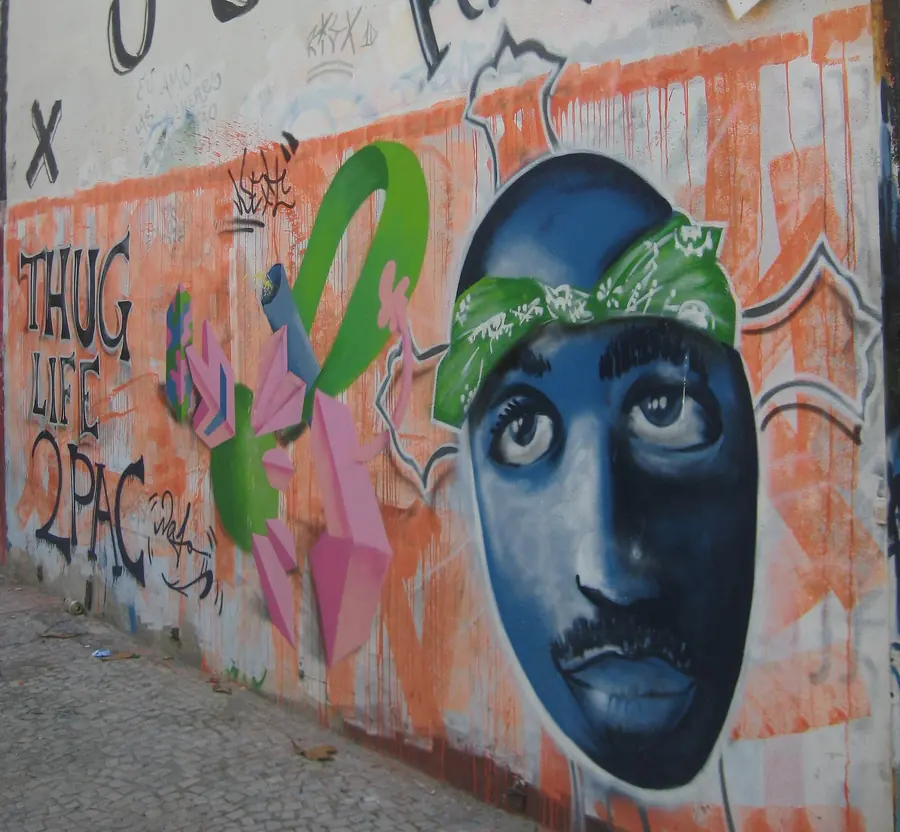
Tupac Amaru Shakur was born in East Harlem, New York. He studied acting and poetry as a teenager. He started as a dancer and roadie for Digital Underground. His own recording career began soon after that.
His debut album, 2Pacalypse Now, arrived in 1991. It marked him as a fierce, political new voice. Acting roles in films like Juice added fame. By the mid 1990s he was a cultural force.
He was shot in Las Vegas in September 1996. He died six days later, aged just 25. He left no will behind when he died. His mother inherited the estate under California law.
The Career That Sold Millions
His third album, Me Against the World, topped charts in 1995. Remarkably, he was serving a prison sentence then. The album’s success showed his rare commercial pull. Fans bought the music whatever his circumstances were.
All Eyez on Me followed in 1996 on Death Row. The double album became one of rap’s biggest sellers. His total record sales passed 75 million worldwide. Few artists of his era sold at that scale.
He also acted in several well known films. Juice, Poetic Justice and Above the Rim stand out. Film fees added income beyond the music side. Yet none of it built lasting personal wealth.
The reason sits in how his deals were written. Advances look like income, but labels recoup them. Studio time, videos and promotion all get charged back. The artist often sees little until debts clear.
He also recorded at a pace few artists match. Studio sessions produced far more songs than albums needed. Hundreds of unreleased tracks sat in the vault. That vault later fed years of posthumous releases. It became one of the estate’s most valuable assets.
The Death Row Deal and the Bail Money

In 1995 he sat in a New York prison. His appeal needed bail money he did not have. Death Row boss Suge Knight posted $1.4 million bail. The price was a three album recording contract.
That deal, signed under pressure, shaped his finances completely. Death Row controlled his recordings and much publishing. The label fronted money for cars, homes and legal fees. Each advance deepened what he owed the label.
Reports later put his Death Row debt near $4.9 million. Against that stood a bank balance near $200,000. His biggest earning years thus left him underwater. The contract, not spending alone, did the damage.
Our guide to how celebrity royalties work shows the normal flow. Royalties pay only after recoupable costs are recovered. Artists with heavy advances can wait years for cheques. Tupac’s deal shows that trap at its harshest.
Why He Died With So Little
Three forces combined to keep his balance so low. First, the label owned the valuable rights, not him. Second, advances turned his lifestyle into label debt. Third, legal troubles brought constant, heavy legal bills.
His fame, meanwhile, kept growing the label’s assets. Every hit raised the catalogue’s long term value. That catalogue belonged largely to Death Row contracts. He was building wealth he did not own.
It is the mirror image of the mogul path. Later stars studied deals like his as warnings. Owning masters and publishing became the industry lesson. His short career taught it the hard way.
His Mother Built the Estate

Afeni Shakur took control of the estate in 1996. She founded Amaru Entertainment to manage his legacy. She also fought Death Row over unpaid royalties. Settlements and rulings returned recordings and money over time.
Under her watch, seven posthumous albums reached fans. The Don Killuminati appeared within months of his death. Later sets included R U Still Down and Still I Rise. Each release sold strongly to a loyal audience.
She licensed his image for films and merchandise carefully. A documentary, Tupac: Resurrection, earned critical praise too. The estate’s earnings passed $40 million across the years. Afeni ran the estate until her death in 2016.
She also built a foundation in his name in 1997. It ran arts programmes for young people for years. That work kept his name tied to community projects. It protected the brand’s meaning, not just its money.
After 2016 the estate moved into a trust structure. His sister Sekyiwa is a key beneficiary there. Reports say management rows later reached the courts. Such disputes are common in valuable music estates.
How the Estate Earns Today

Streaming keeps his catalogue earning every single day. Classic tracks draw steady plays from new generations. Licensing places his songs in films, adverts and games. Each use pays the estate under its deals.
His image also works as an earning asset. A hologram performance at Coachella stunned crowds in 2012. He entered the Rock and Roll Hall of Fame in 2017. He was its first solo hip hop inductee.
The estate guards those rights fiercely in public. In 2024 it challenged an AI generated Tupac voice. A Drake track using the voice was withdrawn. Protecting the voice protects the estate’s licensing value.
Anniversaries keep pushing his numbers up again. A cinema biopic, All Eyez on Me, reached screens in 2017. His poetry book also keeps selling to new readers. Thirty years after his death, demand shows no fade.
Estimates of the estate’s worth still vary widely. Our guide on why celebrity net worth figures differ explains the moving parts. Private royalty flows are hard for outsiders to see. Anniversary releases and deals can shift values fast.
The Contrast With the Mogul Path
His story sits beside very different hip hop fortunes. Diddy net worth grew through ownership stakes and partnerships. Diddy’s label, Bad Boy, was Tupac’s great rival brand. Both men defined 1990s rap from opposite coasts.
The clearest contrast is the $2.8 billion path. Read how Jay-Z net worth rests on owning companies. Jay-Z signed himself when labels passed on him. Tupac signed away control when he needed bail.
Talent and sales were never Tupac’s problem. His albums outsold most of his rich rivals. The difference was paperwork signed at vulnerable moments. Contracts written in crisis can echo for decades.
FAQs
How much was Tupac worth when he died?
Most trackers put the figure near $200,000. Celebrity Net Worth uses that sum for 1996. Some reports stretch the range towards $500,000. Debts to Death Row stood far higher regardless.
Why was Tupac broke despite huge album sales?
His label deals turned earnings into recoupable debt. Death Row fronted bail, homes, cars and legal fees. Those advances were charged against his royalties. Reports put the final debt near $4.9 million.
How much is Tupac’s estate worth today?
Published estimates commonly start near $40 million. Some valuations reach towards $100 million instead. The estate earns from streaming, sales and licensing. Exact royalty flows stay private, so figures vary.
Who inherited Tupac’s estate?
He died without a will in 1996. California law passed the estate to his mother. Afeni Shakur managed it until 2016. It now sits in a trust for family beneficiaries.
How many records did Tupac sell?
His worldwide record sales passed 75 million copies. Seven albums were released after his death. All Eyez on Me remains his biggest seller. Streaming adds millions of plays every year.
Did Tupac own his music masters?
No, his key rights sat with his labels. Death Row controlled his recordings under his deal. His estate later recovered recordings through legal fights. That recovery helped the estate grow in value.
The Lesson Written in Tupac’s Ledger
Tupac’s ledger tells two stories in one life. The first is fame without ownership, ending nearly broke. The second is careful estate management creating real wealth. His mother turned $200,000 into tens of millions.
For artists today, his case remains the classic warning. Read the contract before the advance spends itself. Own the masters, or the masters own you. Few ledgers in music make the point clearer.
