
How to prepare for your first pet starts with three clear choices. Pick a pet that fits your home, your time and your budget. Set up a safe space before the pet arrives. Book a vet visit for the first week.
This guide walks you through each step in plain order. You will learn how to pick well and pet-proof a room.
Which Pet Fits Your Real Life?
How to prepare for your first pet starts by matching the pet to your real days. Dogs need walks, training and company each day. Cats need less hands-on time but still need play, rest spots and care. Small pets need room to move and fresh food each day.
Think about your work hours before you fall for a breed. A dog left alone for long hours will grow bored and stressed. A cat copes better with time alone but still needs daily play. Rabbits and guinea pigs need a friend of their own kind.
Your home shape matters just as much as your hours. A flat without a garden suits a cat or a small pet well. A large, lively dog needs more space and a secure garden. Renters should check tenancy rules first, since some lets bar pets.
Some lets ask for written consent before a pet moves in. Ask your landlord in writing and keep the reply safe.
The Short Version
- Match the pet to your real daily life, not to a cute photo.
- Pet-proof one room first, then let the pet explore wider spaces.
- Buy basics before collection day, and keep food the same at first.
- Book a vet check in the first week, and ask about vaccines and chips.
- Keep the first week quiet, steady and full of short, kind contact.
Adopt or Buy: Choose a Safe Route
Rescue centres are a kind first stop for a new owner. Staff there know each animal well, and they match pets to homes with care.
If you buy from a breeder, choose with the same care. Meet the mum with her young, and see where they live. Ask for health records, vaccine notes and details of vet checks done so far.
Walk away from any seller who rushes you. Also avoid sellers who hide the mum or offer many breeds at once.
Watch for these warning signs before you pay:
- No health records or vaccine notes to show you.
- No visit allowed to the place where the pet lives.
- Pressure to pay fast or to decide on the spot.
- A price far below the normal range, with no clear reason.
Pet-Proof One Room Before Collection Day
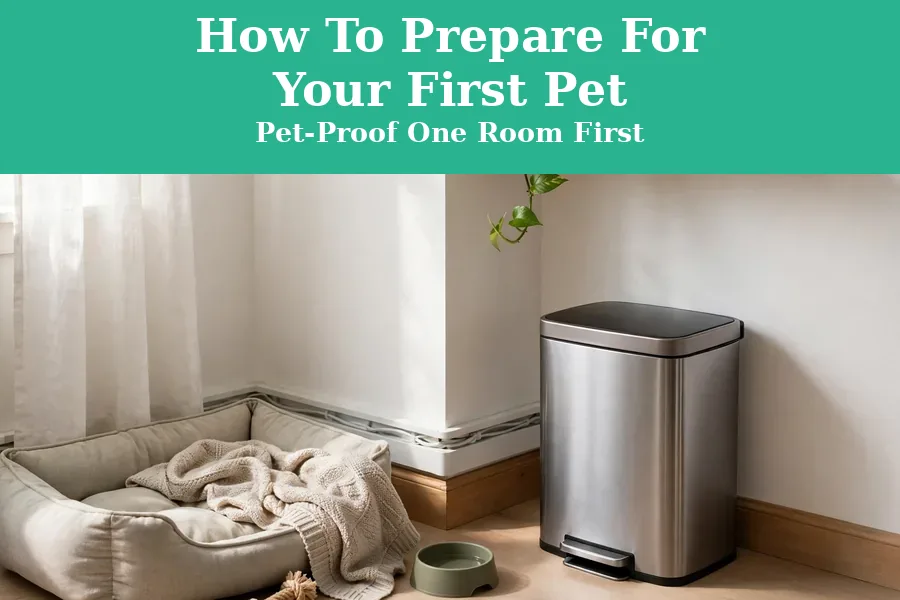
How to prepare for your first pet starts at home. Start with one room, and make it the pet’s safe base. Move cables out of reach, and cover any that cross the floor. Lift toxic plants to high shelves or move them out of the room.
Lock away cleaning products, medicines and small items a pet could swallow. Put a bin with a firm lid in the kitchen. Food waste draws curious noses fast. Good pet proofing is a big part of getting ready.
Set up the sleeping corner in a quiet spot, away from drafts and busy doors. A bed, a blanket that smells of home, and a water bowl are all it needs. Cats also need a scratching post and a litter tray in a calm corner.
Small pets need a run that is free from drafts, wires and direct sun. Check the garden before a dog or rabbit goes out.
Keep garden chemicals locked away, and never leave a pet out alone at first. If you are setting up a home from scratch, read our first-home guide: first-home guide
The First Pet Shopping List: Buy Basics Only
How to prepare for your first pet means shopping early. Buy the basics before collection day, so the first hours feel calm. Start with food, bowls, bedding and a safe way to carry your pet. Add cleaning cloths, a brush and a few toys, then stop there.
- A bed and a soft blanket for the sleeping corner.
- Food and water bowls that are easy to clean.
- The same food the pet eats now, so meals stay familiar.
- A collar, tag and lead for a dog, or a carrier for a cat.
- A litter tray and litter for a cat, or bedding for small pets.
- A few toys, a brush, and cleaning cloths for small messes.
Skip fancy extras at first, and watch what your pet likes. Washable covers and throws save your sofa from fur and mud.
A quick wash routine keeps pet bedding fresh without much work. Our washing machine guide shows how to clean pet bedding well: washing machine guide
How to Prepare for Your First Pet on a Sensible Budget
Pet costs run each month, so plan them like any home bill. Food, litter or bedding, insurance and routine vet care form the core costs. Toys, treats and grooming add smaller sums on top. A surprise vet bill can land at any time.
A small buffer fund brings real peace of mind. Compare pet insurance before you bring a pet home. Some plans cover accidents only, while others cover illness through the year.
Read what each plan leaves out, since exclusions differ a lot. A cheap plan that skips common claims may cost more in the end. Ask your vet which level of cover suits your pet’s age and breed.
Adoption fees often cover vaccines, a microchip and a first health check. That bundle can make rescue the cheaper start, as well as the kinder one.
Either way, write down the monthly sum. Check it fits your budget with room to spare. A pet deserves a home that can afford its care.
| Cost | What it covers | When it lands |
| Adoption or purchase fee | Pet, first checks, chip in many rescue cases | Once, before collection day |
| Food and litter | Daily meals, litter or bedding | Each month |
| Insurance | Accidents, illness, or both, by plan | Each month |
| Vet care | Vaccines, worming, flea care, checks | Through the year |
Vet Care, Microchips and Insurance in Week One
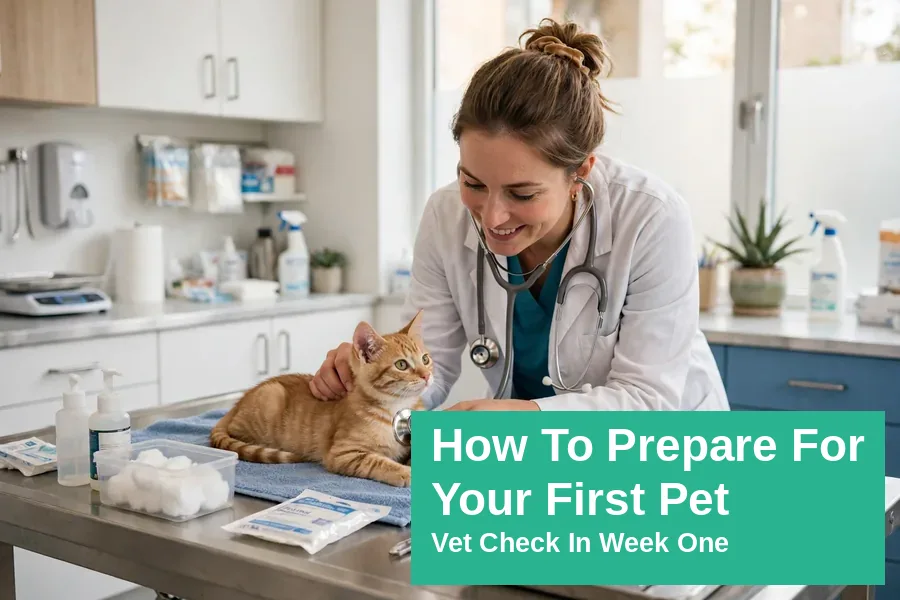
How to prepare for your first pet includes early vet care. Book a vet check in the first week, even if your pet looks well. Ask about vaccines, worming and flea care for your pet’s age. Bring any records from the rescue centre or breeder with you.
In England, dogs over 8 weeks old must be microchipped by law. Cats over 20 weeks old in England must be microchipped too. That rule dates from 10 June 2024. Scotland, Wales and Northern Ireland have their own rules, so check your nation.
Check the chip details are in your name, and update them if you move house. A chip only helps if the details stay current.
If your pet seems unwell, call your vet promptly rather than guessing. PDSA’s new puppy checklist is a helpful extra read: PDSA new puppy checklist
The First Week: A Routine That Builds Trust
Keep the first days quiet, and let your pet set the pace. Show them the bed, the food bowls and the toilet spot, then step back.
Feed at the same times each day, and keep the house calm in the evenings. Keep water fresh, and keep play short and gentle. A day with a new pet can look like this:
- Morning: feed, toilet break or litter clean, then short play.
- Midday: rest in the sleeping corner, with fresh water close by.
- Evening: walk or play, then feed, then a calm wind-down.
- Night: last toilet break, then quiet bed with no fuss.
Introduce children gently, with calm voices and no chasing. Let the pet come to them, and praise soft, slow strokes. If you have other pets, swap scents first with a blanket.
Then allow short meets with a watchful eye. Plan holiday cover early too, so a trip never becomes a last-minute worry. Our pet travel tips cover trips with pets in full: pet travel tips
A steady rhythm helps you too. A set routine makes each day simpler. Read our healthier routine guide: healthier daily routine guide
If worry or hiding lasts for weeks, ask your vet for advice. A steady start now shapes a settled pet later.

First Pet Questions, Answered Honestly
How long does a new pet take to settle in?
Some pets settle in days, while others need a few weeks to feel safe. Young animals often adapt fast once food, sleep and toilet spots stay the same. Older rescue pets may need more time. A new home holds new sounds and smells.
Should I adopt or buy my first pet?
Adoption suits most first owners, since rescue staff match pets to homes and give backup advice. Buying suits owners who need a known breed for clear reasons. Allergies are one example. Either route works if you check health records and meet the pet first.
What should I feed a new pet at first?
Feed the same food the pet eats now, and change it slowly over several days. A sudden food swap often upsets young stomachs and causes loose stools. Mix a little new food with the old food. Raise the new share day by day.
Do I need pet insurance before my pet arrives?
Insurance is not a legal must, but it is wise to compare plans before collection day. Some plans start cover after a short wait, so an early start avoids gaps. A plan you can keep paying for beats a rich plan you drop in a year.
Can I leave a new pet alone in the first week?
Keep absences short in the first week, and build them up bit by bit. Dogs need company and toilet breaks, so long hours alone do not suit them. Cats cope with short absences better. They still need food, water and play each day.
Your Calm First Week Starts With Three Small Jobs
Now you know how to prepare for your first pet from choice to first week. Pick a pet that fits your real life, and set up one safe room first. Buy the basics, book the vet visit, and plan costs with room to spare.
Then keep the first week quiet, steady and kind, and let trust grow day by day. Start this weekend with one room, one list and one vet call. Your new pet will then arrive to a home that is truly ready.
