
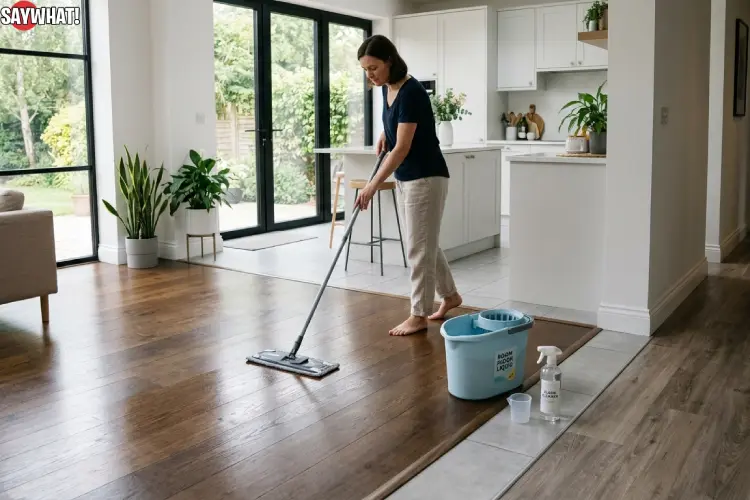
Most people grab the cheapest option on the shelf and hope for the best. But the wrong room floor liquid can leave streaks on hardwood, dull your tiles, and build up a waxy film that actually attracts more dirt over time. Picking the right product is not complicated. You just need to know what you are working with.
This guide breaks down how to choose a room floor liquid based on your floor type, cleaning routine, and what you actually want from a clean floor. We will also cover dosing, tools, and how to avoid the most common mistakes.
Why Your Room Floor Liquid Matters More Than You Think
Floors take more punishment than almost any other surface in your home. Foot traffic, pet paws, food spills, and tracked-in grit all add up. A good room floor liquid does not just clean. It lifts soil cleanly, dries without residue, and leaves the surface looking the way it should.
The wrong formula can do real damage over time. Soap-heavy cleaners leave a film that dulls the finish on sealed wood and laminate. Harsh degreasers can strip the protective layer from stone. Overly perfumed products can make a room smell like a cleaning cupboard for hours.
A well-made floor cleaning liquid is precisely formulated. Light detergency lifts common soils. Chelation manages hard water minerals. A controlled solvent phase speeds drying without streaking. You feel it in fewer mop passes. You see it in the way light settles across the room after you finish.
Matching Your Room Floor Liquid to Your Floor Type
Not every floor wants the same treatment. Getting this right is the single most important step.
Sealed Wood and Laminate
Water is the enemy here. You want a room floor liquid with a neutral pH that dries fast and does not sit in the seams. Wring your mop well before it touches the floor. Work in the direction of the boards, and follow with a dry pass to pull any remaining moisture. Buff lightly to settle the finish.
Avoid anything soap-rich. Soap films trap grit and make the floor look dull within a week, no matter how often you clean.
Porcelain and Ceramic Tile
Tile handles a firmer approach. Grease, limescale, and starchy residue from cooking all build up near hobs and kitchen islands. A floor cleaning solution with solid soil suspension and quick wetting lifts these cleanly without smearing. Pay attention to grout lines. A small dose of product in the bucket goes further than you expect here.
Natural Stone and Polished Concrete
These materials reward restraint. Use a low-residue formula, keep the pH near neutral, and avoid soap-rich blends that can leave a film under chairs and table legs. The result you want is crisp and calm, not high-gloss. You are letting the material do the talking, not coating it in product.
Vinyl and LVT
Vinyl amplifies scent and reacts badly to abrasive agents. A gentle floor detergent with a quiet fragrance works well here. Keep the solution lean, refresh the bucket often, and dry quickly. Heel marks lift easily with a targeted spray before the main mop pass.
Floor Type Comparison at a Glance
| Floor Type | pH Preference | Key Risk | Recommended Approach |
| Sealed Wood | Neutral (6-8) | Swelling at seams | Low dose, dry fast, buff finish |
| Porcelain Tile | Neutral to mild alkaline | Grout staining | Firm dose, dwell on grout |
| Natural Stone | Strictly neutral | Acid etching | Gentle agents, soft water |
| Vinyl / LVT | Neutral | Film build-up | Lean solution, quick dry |
How to Dose a Room Floor Liquid Correctly
More product does not mean a cleaner floor. It means more residue, slower drying, and a surface that picks up new dirt faster. Start with the recommended dose on the label, then adjust based on soil level and room size.
If you see suds pooling at the skirting boards, you have used too much. If the pad is dragging, refresh the bucket rather than adding product. Precise dosing is the single biggest factor in avoiding that sticky, dull finish that builds up over time.
A silicone measuring cup helps here. The Terrea Silicone Measuring Cup paired with the Terrea Floor Delicate Cleaner No-Rinse 1000ml makes this easy. You get a consistent dose every time, which means consistent results.
Spray vs Bucket: When to Use Each
A floor cleaning spray is the right call for small spaces, quick resets, and targeted spots. Mist directly onto the surface, wipe, and follow with a dry pass. It keeps wet time on wood short and gives you precise control around thresholds and edges.
For larger rooms, a bucket with a measured floor cleaning solution gives you speed and evenness. Use the spray to chase marks and edges between full cleans, and keep both methods light. The goal is a repeatable routine you can run in 15 minutes, not a deep clean that takes over your evening.
What to Look for in a Natural Floor Cleaner Liquid
If you want to clean without filling the room with chemicals, focus on these three things: biodegradable actives, low colourant levels, and a fragrance that sits close to the surface rather than hanging in the air.
Terrea’s Floor Delicate Cleaner ticks these boxes. It is a no-rinse room floor liquid designed for daily use, priced at £17 for 1000ml with a £15 refill available in an Amber, Guaiachwood and Patchouli scent. The formula is gentle enough for sealed wood and robust enough to clear kitchen grease from tile, without leaving any waxy residue behind.
The no-rinse feature makes a real difference in practice. You do not waste time going over the floor twice, and there is no chance of soap residue building up from repeated rinse passes.
Building a Room Floor Liquid Routine That Actually Sticks
The best cleaning routine is one you repeat without thinking. Keep it short and consistent.
Daily:
- Dry pick-up for grit and dust before any liquid touches the floor
- Use a floor spray for spot marks, especially in the kitchen
- Quick pass in the cooking zone if needed
Weekly:
- Full bucket with a low-dose room floor liquid
- Work from the far end of the room toward the exit
- Clean pad before you start, swap it if it tires mid-way
- Ventilate the room and let it dry completely before foot traffic
This rhythm protects the finish over time, lowers product use, and keeps your floors looking sharp from weekday to weekend.
Frequently Asked Questions
Can I use one room floor liquid on all my floors?
Not always. Sealed wood, tile, stone, and vinyl all respond differently. A neutral, no-rinse formula like Terrea’s Floor Delicate Cleaner works across most surfaces, but always check that the pH suits any heritage or sensitive floors before you start.
How do I avoid streaks after mopping?
Dose small, change your mop pad before it tires, and ventilate while drying. Most streaks come from too much product or a pad that is redistributing soil rather than lifting it.
How often should I use a room floor liquid?
High-traffic areas like kitchens and hallways benefit from a light pass two to three times a week. Living spaces and bedrooms can stay clean with a weekly routine. Daily dry pick-up reduces how much wet cleaning you actually need to do.
Is a no-rinse formula worth it?
Yes, for most homes. A no-rinse room floor liquid saves time, reduces water use, and eliminates the risk of soap build-up from repeated rinse passes. It is especially useful on sealed wood where excess moisture can cause problems over time.
What is the right mop for a floor cleaning liquid?
Microfibre flat mops suit sealed wood and laminate. Loop mops work better on textured stone where grout lines trap fine dust. Either way, a light swivel-headed frame reduces effort and gives you better control in tight spaces.
The Bottom Line
A quality room floor liquid does one job well: it lifts soil quickly, dries cleanly, and leaves the surface looking the way it was meant to. You do not need a different product for every room. You need the right formula, the right dose, and a consistent routine.
Start with your floor type, match it to a room floor liquid that respects the material, and keep your doses lean. The Terrea Floor Delicate Cleaner No-Rinse is a strong choice for UK homes. It handles hard water well, works across most sealed surfaces, and comes with a refill option that keeps costs down over time.
